Remote Utilities Blog


A Complete Overview of Network Address Translation

A Complete Overview of Network Address Translation

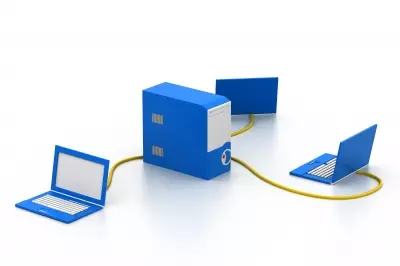
Did you know that there is a way to convert your entire network to only one IP address? This method is known as network address translation, or NAT. That is only one use of the technology, however. It can also increase security and provide a smoother overall browsing experience depending on how it is used. This article will discuss the history of NAT and both the advantages and drawbacks of using it for your business network.

by Antony , Jul 30, 2013

Continue reading

Backing up Data on a Small Network: Dos and Don’ts

Backing up Data on a Small Network: Dos and Don’ts

Backing up your data is important, and handling data on a small network presents unique challenges. Rather than try to handle a small network in a way that isn’t custom tailored to your needs, it’s better to put together a customized protocol. When you’re planning out the data backup on your small network, keep the follows dos and don’ts in mind. This advice will help save you a lot of headaches in the long run.

by Antony , Jul 24, 2013

Continue reading

Performance Problems and how to Overcome Them

Performance Problems and how to Overcome Them

There are many performance pitfalls out there that can slow down your network. Fr om poor hardware configurations to incompatible software, these items can make even the most modern computer feel like it's stuck in quicksand. Below you'll find a listing of the most common slowdown problems that networks face and what you can do to prevent them. With a few simple steps, you can make sure that your network remains running optimally at all times.

by Antony , Jul 17, 2013

Continue reading

Dynamic Host Configuration Protocol (DHCP)

Dynamic Host Configuration Protocol (DHCP)

A protocol is a set of rules used to determine how computers on a network communicate. The Dynamic Host Configuration Protocol (DHCP) is a protocol commonly used to automatically generate an Internet Protocol (IP) address and other configuration details, like the Domain Name System (DNS) server address, subnet mask and default gateway to client host computers connecting to a network.

by Conrad Sallian, Jul 17, 2013

Continue reading

Common Types of Malware and how to Avoid Them

Common Types of Malware and how to Avoid Them

Malware is a catch all phrase that includes any sort of program designed to do harm to a computer or that disrupts its normal processes. This includes viruses, spyware, adware, and much more. Malware is one of the biggest enemies of any computer that has access to the Internet, be it a company computer or a personal one. The most common types of malware that you might acquire and they way in which they affect a computer are outlined in detail below.

by Antony , Jul 10, 2013

Continue reading