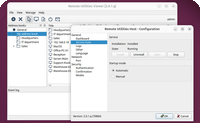
Cloud and On-Premises
Remote Utilities offers two connection types: direct and Internet-ID. The Internet-ID connection runs through our public servers (the cloud option) or, for added flexibility, through a self-hosted server, allowing users to set up a fully autonomous system with the convenience of firewall bypass and zero-configuration access. All three options can be mixed in one setup.
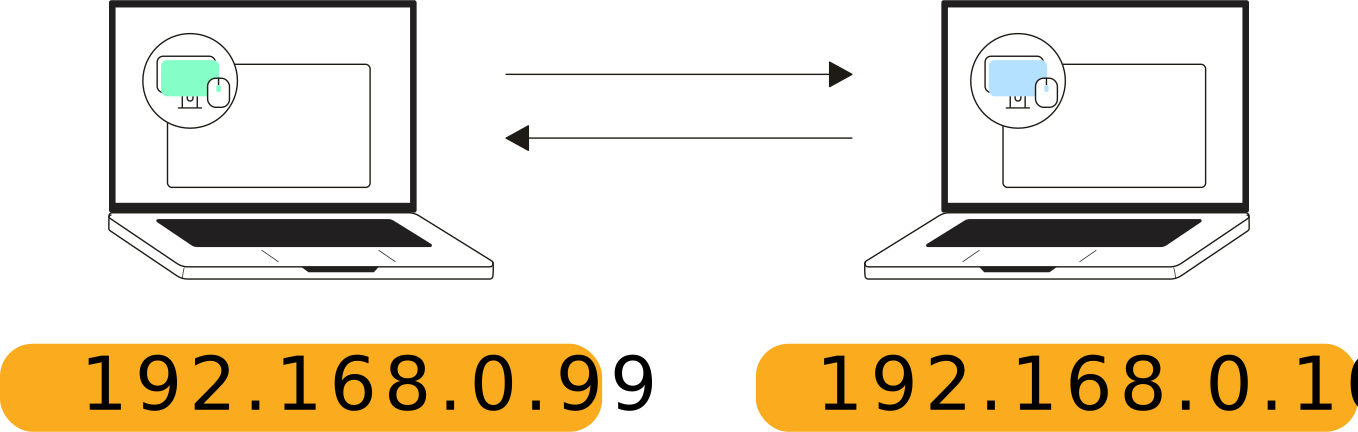
Direct Connection
You can connect from local to remote directly using the remote computer's IP address or hostname. This is the primary way to connect in a LAN or VPN, but it can also be used on the Internet with some configuration (port forwarding) on the remote side.
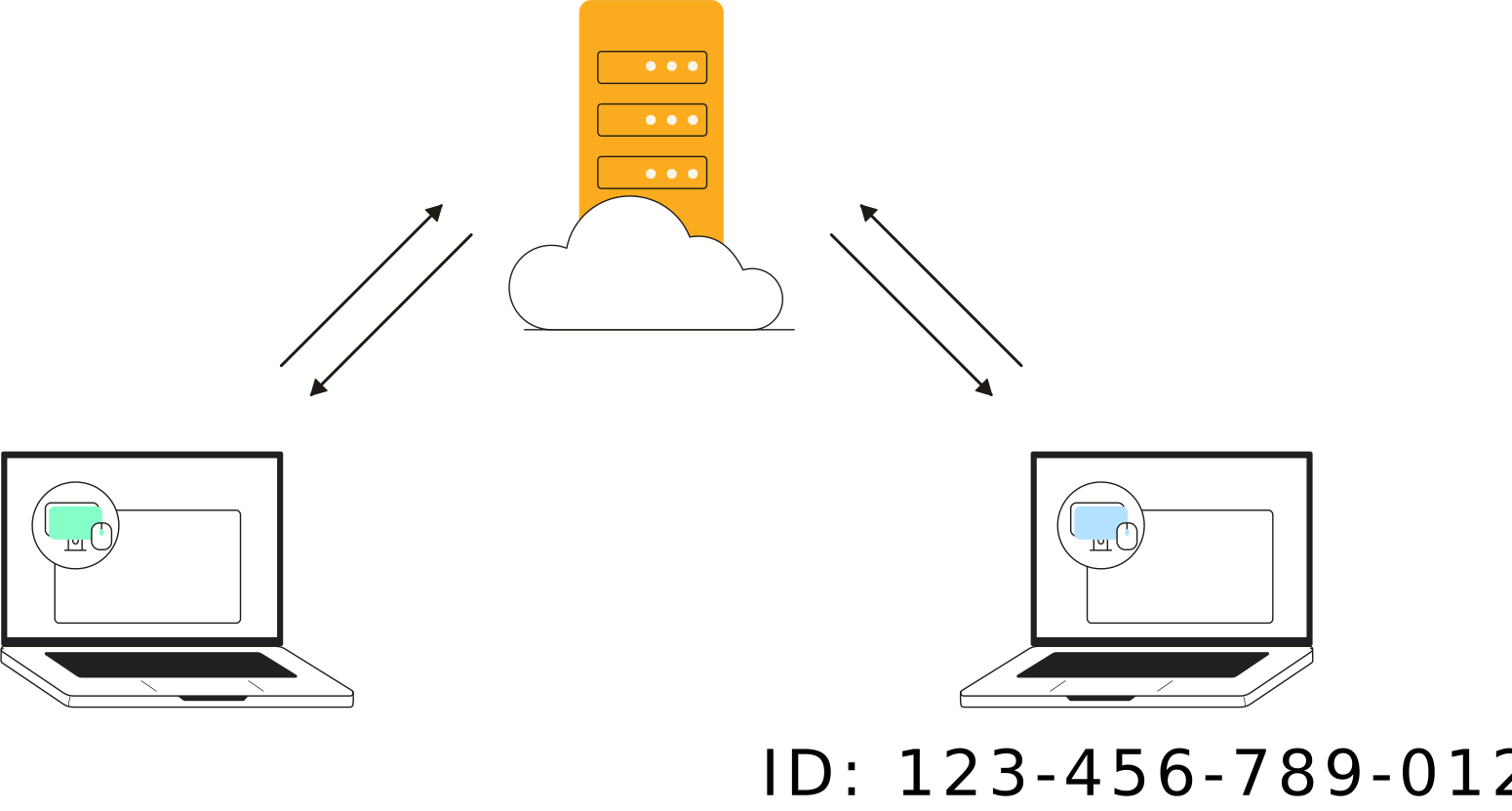
Internet-ID Connection (Cloud)
An Internet-ID connection through our public servers (the cloud option) uses an intermediary web server hosted by our company to transfer encrypted data packets between local and remote. It requires zero configuration on the remote side and is the simplest way to connect.
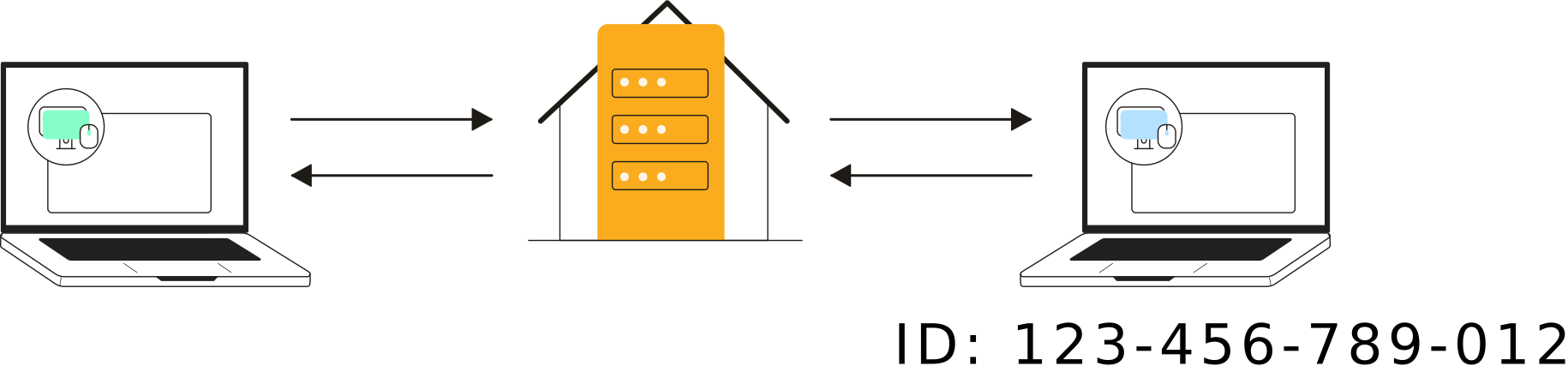
Internet-ID Connection (Self-hosted)
The same Internet-ID connection as the cloud option, but through a self-hosted server. Install the server on your premises (e.g., in a DMZ) or on cloud hosting. In addition to routing Internet-ID connections via your server, this setup offers improved performance, three added features — address book sync, centralized license management, and a new authentication method — as well as enhanced security with full control over the connection.